
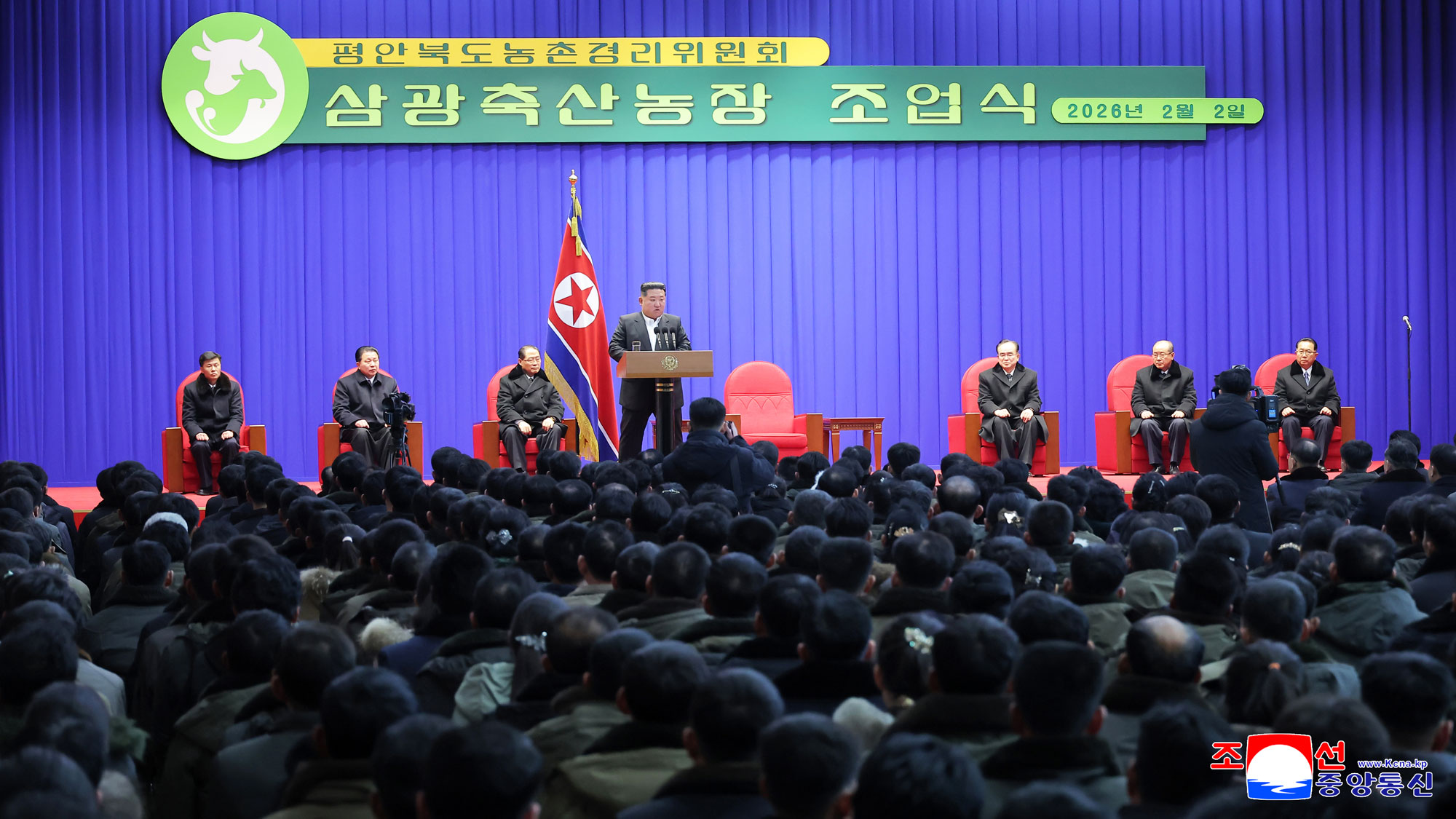
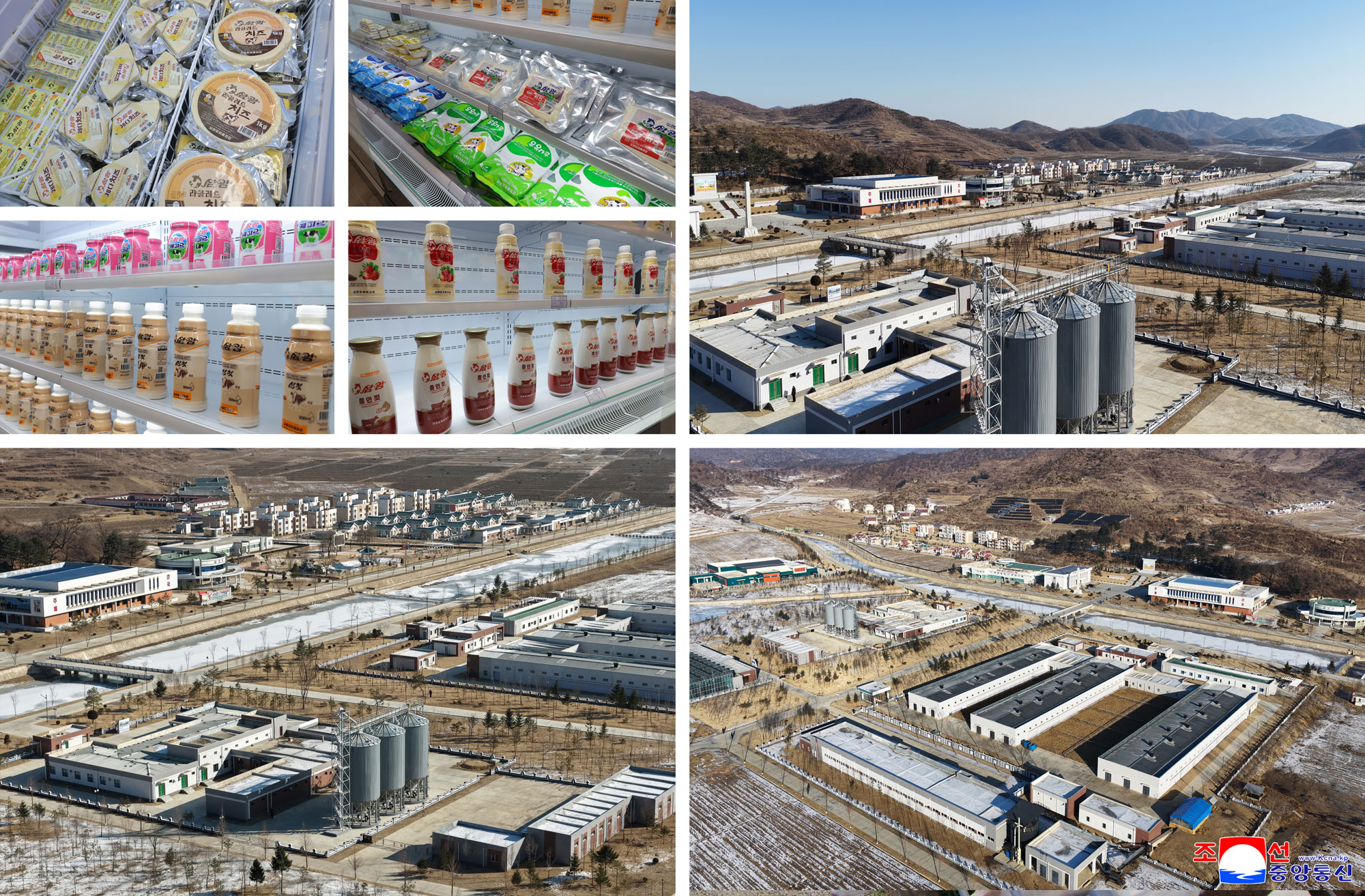
A ceremony was held in the DPRK on February 2 to inaugurate the Samgwang Livestock Farm, a new model for rural construction and development of animal husbandry in the country, in the presence of Kim Jong Un, president of the State Affairs of the DPRK. Addressing the event, the DPRK leader stressed the need to put rural development onto a new stage of qualitative transformation.
His mention about “putting rural development onto a new qualitative transformation stage” seems to be meaningful.
Over the recent years the DPRK has pushed the efforts to newly build rural houses, change the grain production structure and improve agricultural mechanization, irrigational system, farming methods and the farmers’ level of ideological consciousness and civilization, bringing about a great transformation in every realm. But Kim Jong Un thinks that only when the agricultural workers come to enjoy all the benefits of modern science and technology and civilization in all realms, can it be said that the socialist rural development policy has succeeded in the true sense of the word.
To this end, he intends to transform the rural communities across the country like the Samgwang Livestock Farm.
First of all, he plans to readjust and fully improve land, roads, irrigation facilities and electric supply system, which are directly related to agricultural production, in a neat and efficient way, step up the comprehensive mechanization of farm operations in keeping with the topographical features, and actively introduce into them the full automation and AI technology.
Efforts will be made to build workteam buildings, greenhouses and other bases of farms for production activities and production facilities in a neat way and make them multifunctional.
The country plans to add more to the urbanized, civilized and advanced characters of the rural villages, ensure perfect quality of the rural houses and all the other buildings, promote the convenience of the agricultural workers as much as possible and enable them to substantially enjoy modern civilization, thereby reducing the gap between towns and the countryside.
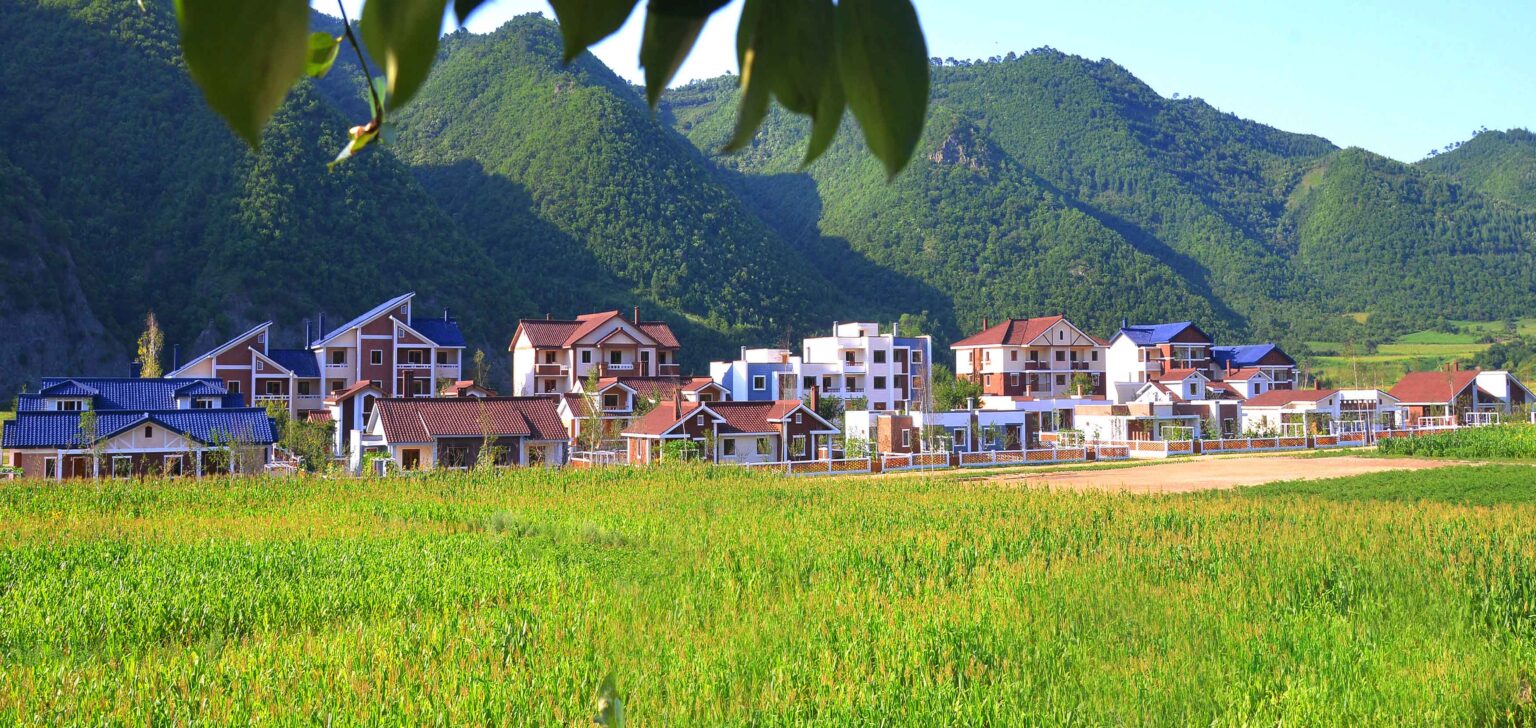
It will also keep stepping up the three revolutions–ideological, technological and cultural–to make agricultural workers full-fledged masters of the modern countryside, who are prepared ideologically, spiritually, culturally and technologically.
It will work to develop specialized livestock farming on an IT, intelligent, intensive and industrial basis, with superior breeds, sufficient feed, scientific approach to rearing, comprehensive veterinary services and the making of production and management informatized and intelligent as five key factors in developing livestock farming, so as to definitely turn the country’s livestock farming into a modern one of the world level.
If you have to describe the future of the DPRK’s countryside that is set to be put onto a new stage of qualitative transformation, you will obviously call it a paradise.