

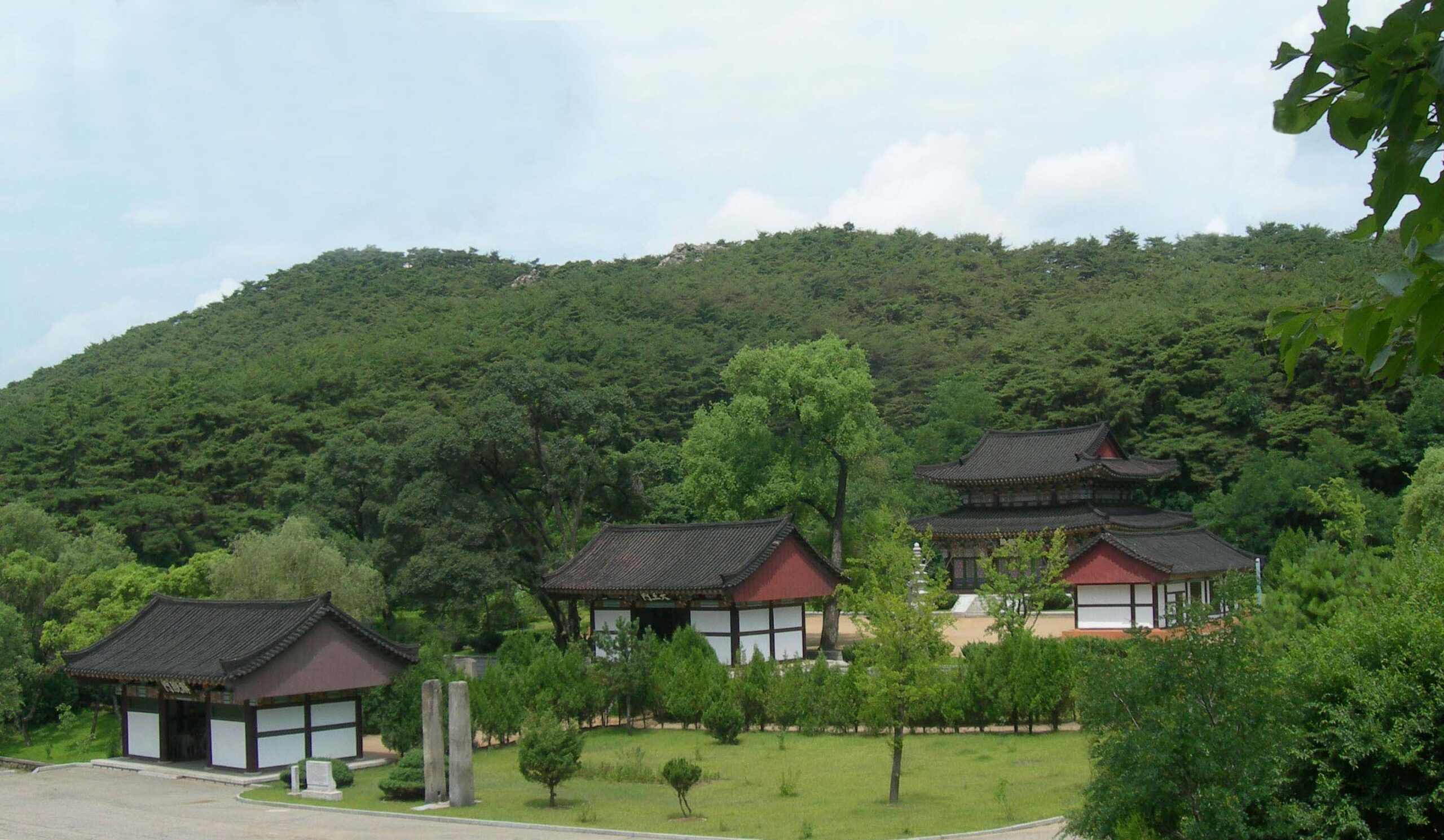
Among the historical sites that reflect the remarkable architectural skills of the Korean ancestors is Kwangbop Temple, located at the foot of Mt. Taesong in Pyongyang.
The temple was originally built in 392 during the reign of King Kwanggaetho, the 24th ruler of the Koguryo Kingdom. It was later restored in 1727 during the feudal Joson dynasty.
Kwangbop Temple was destroyed by US bombing during the Korean War, but it was reconstructed in 1990 in its original form.
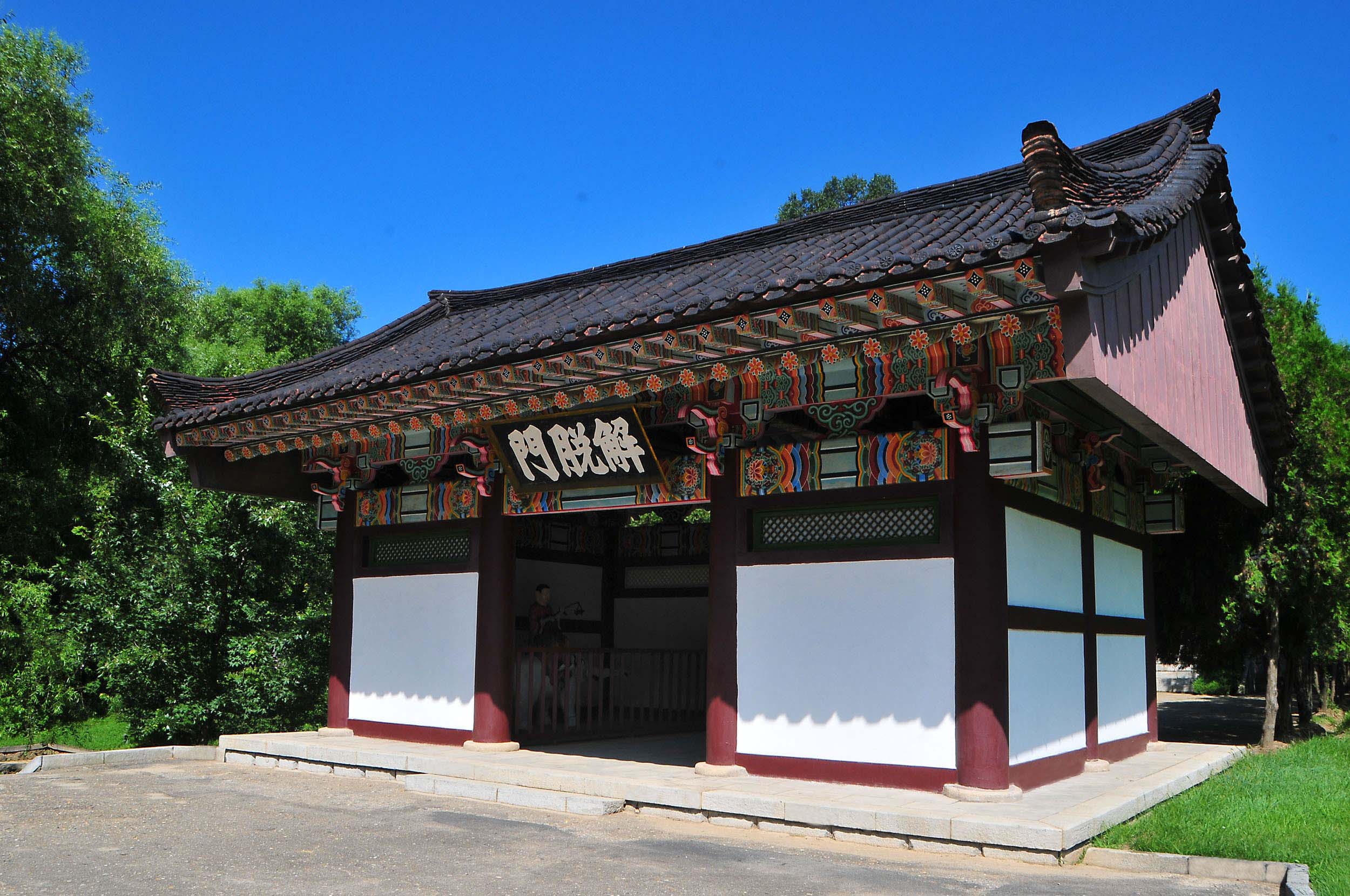
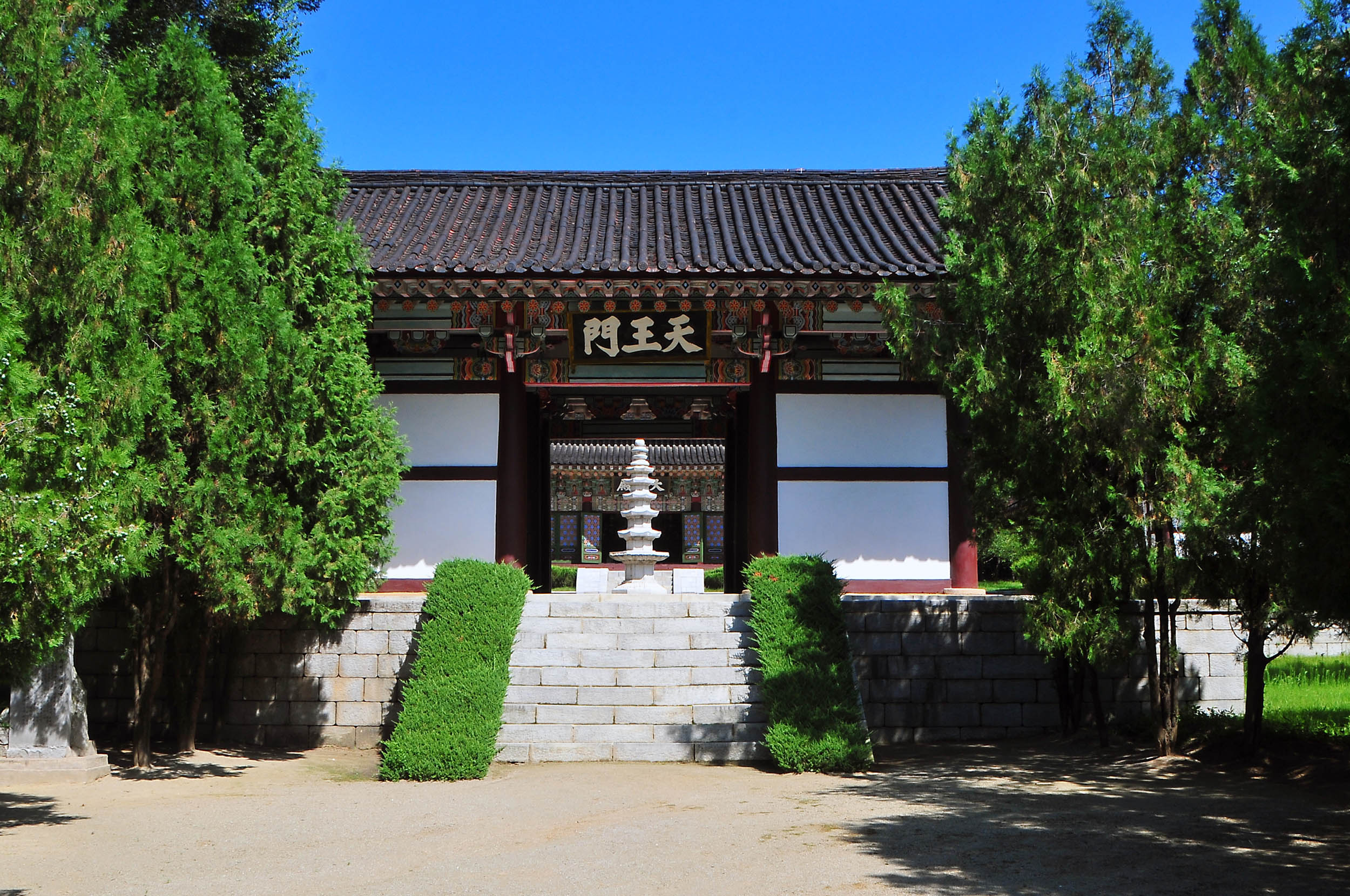
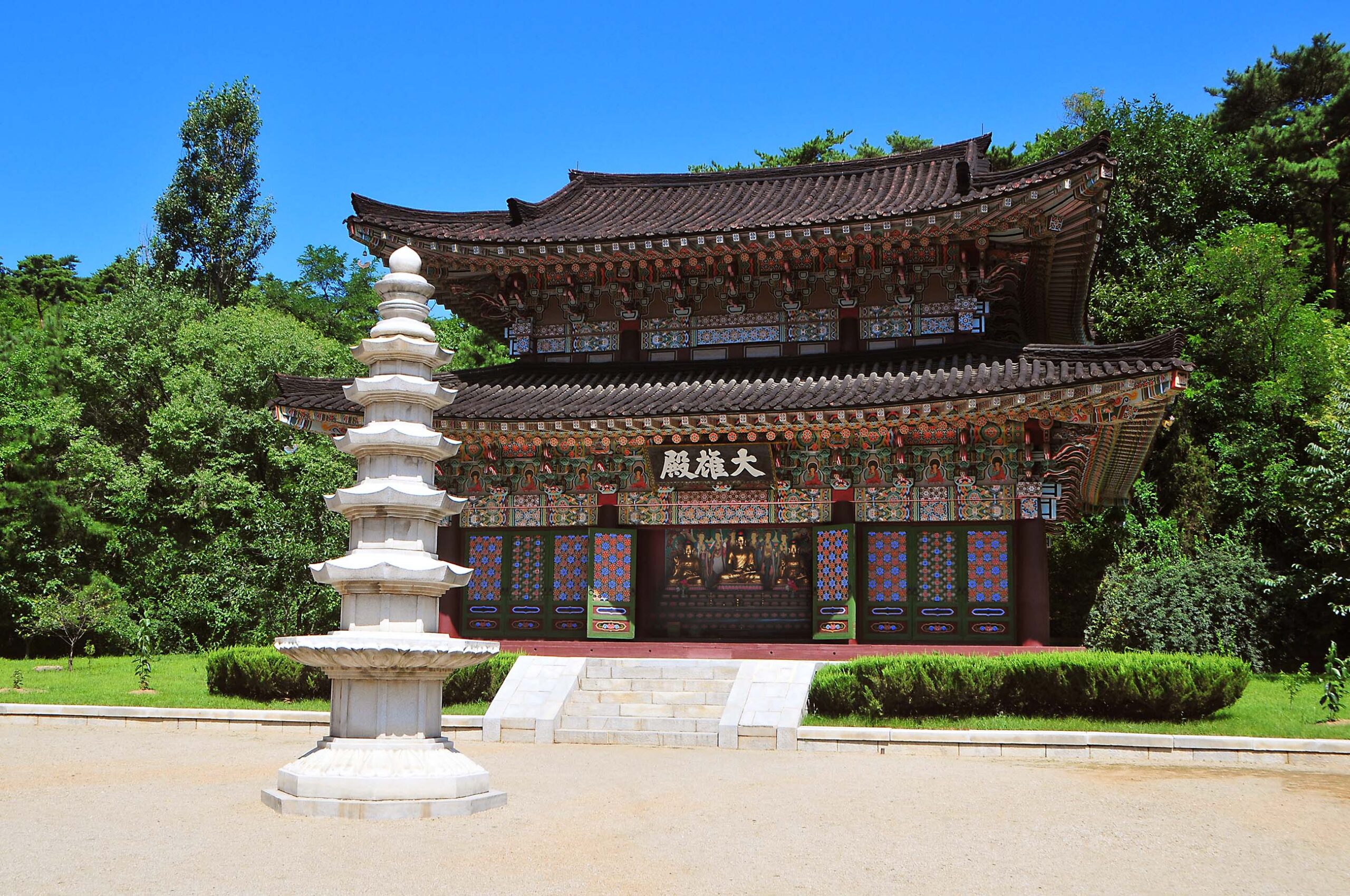
It is a representative example of architecture from the Koguryo period. There are the Haethal Gate, the gate of the temple, five-storied octagonal pagoda and the main hall where Buddhist priests sit in meditation east and west on both sides of its central axis.
The main hall, painted red and blue, features a two-storied hip-saddle roof.
Inside the hall are three Buddhist statues, including a statue of Shakyamuni, as well as a painting of Buddha.
In the centre of the temple yard there is a five-storied octagonal pagoda, noted for its elegant appearance and harmonious balance with the surrounding buildings.
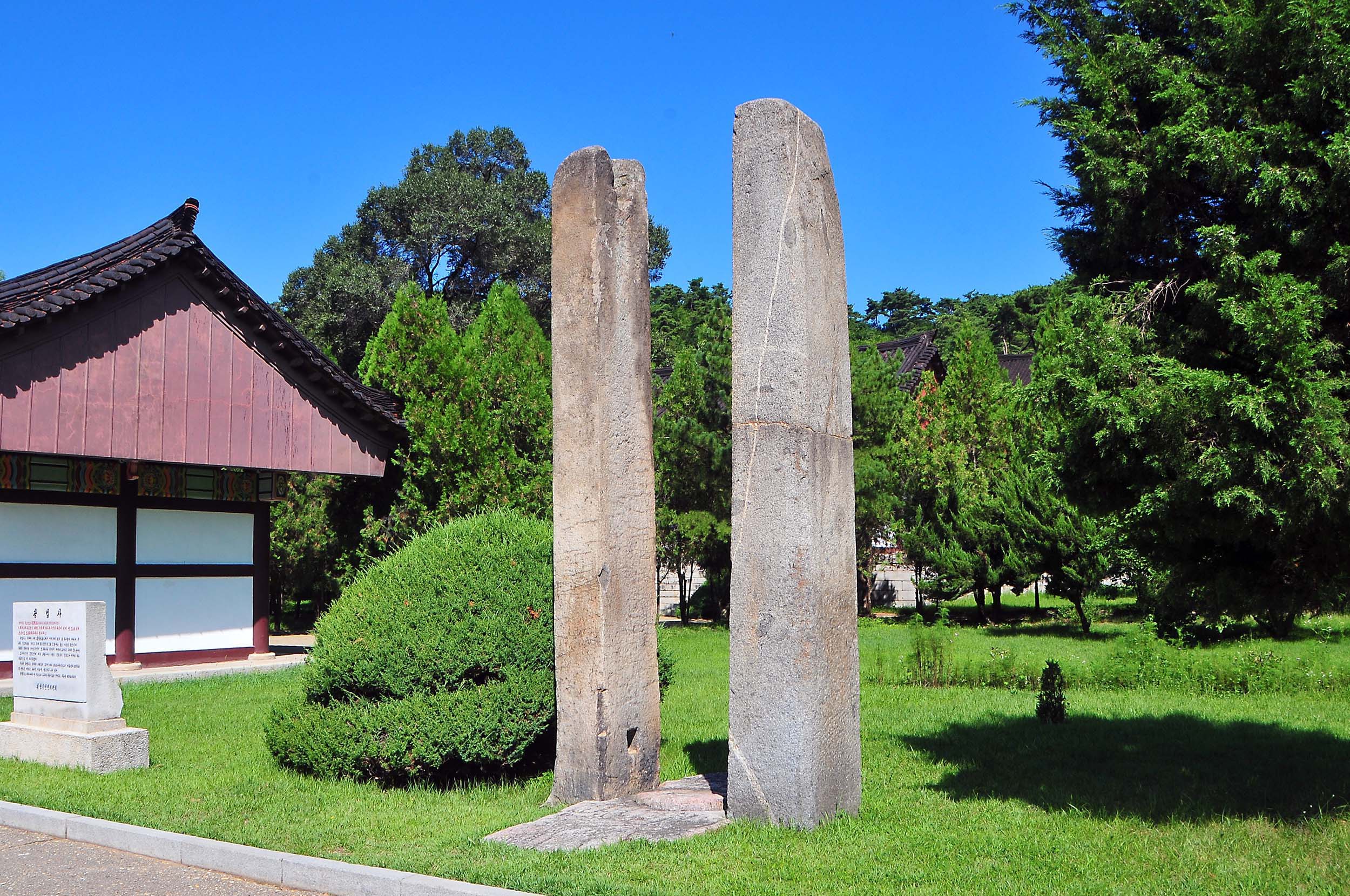
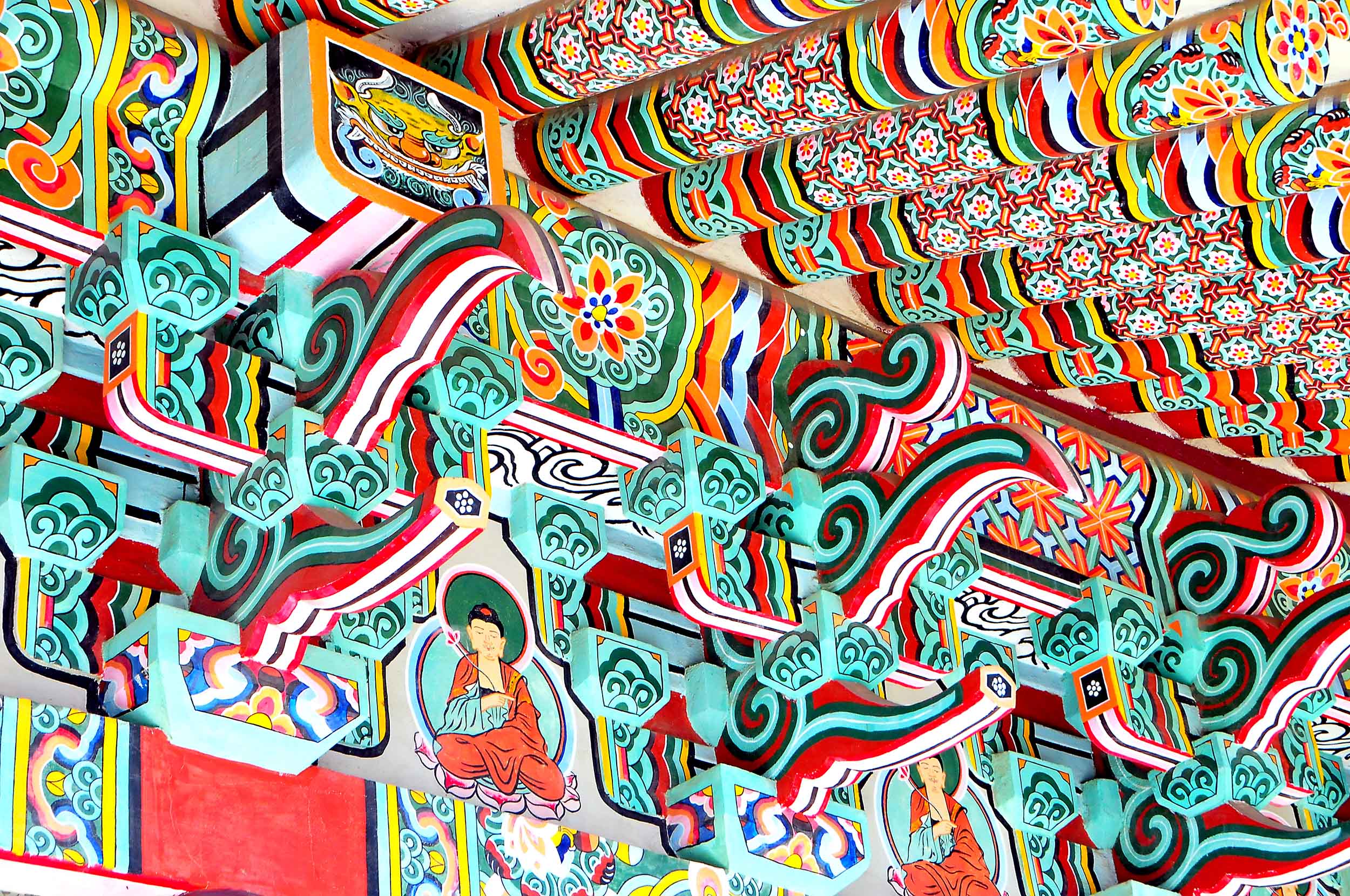
As a valuable cultural heritage site that reflects the architectural achievements and long cultural traditions of the Korean people, the temple is carefully preserved and maintained as a relic of national treasure.
In February 1991, President Kim Il Sung visited the temple and expressed satisfaction that it had been successfully reconstructed in accordance with historical principles.
In later years, a resting area was created around the temple, allowing visitors to relax and enjoy the surroundings.