
The DPRK is enjoying a remarkable boom in tourism these days.
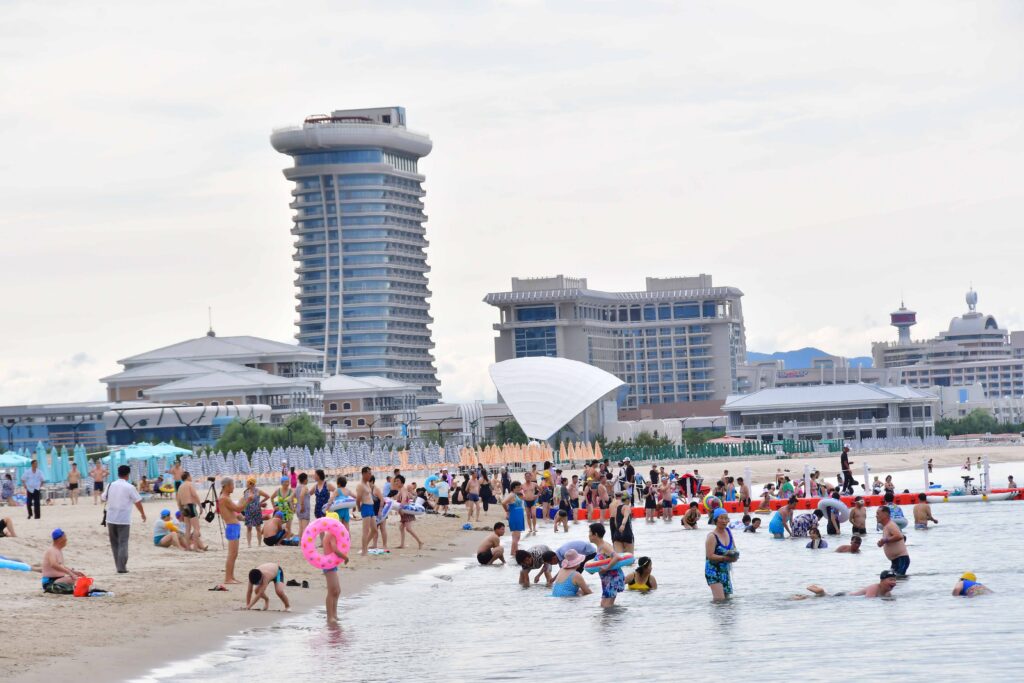
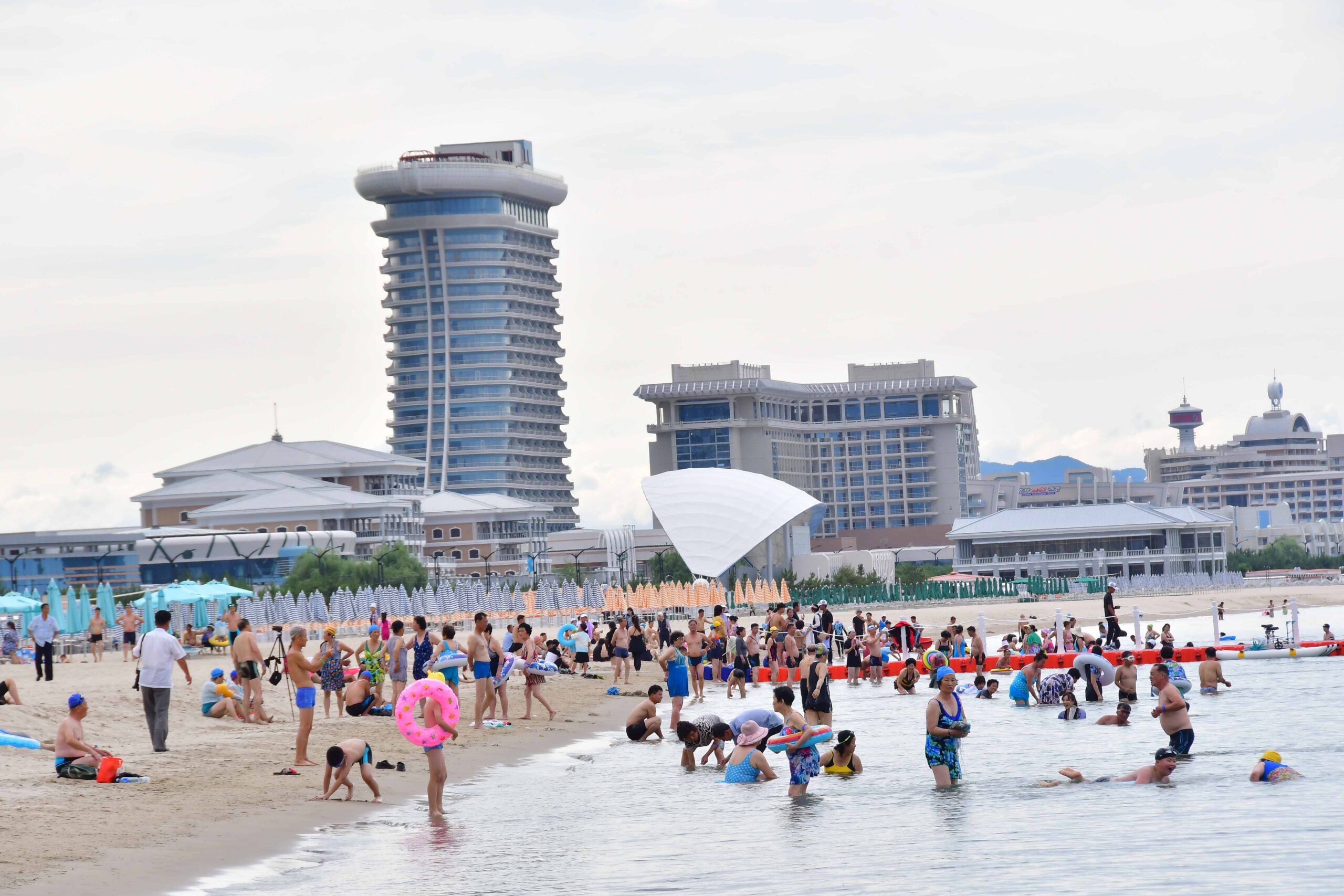
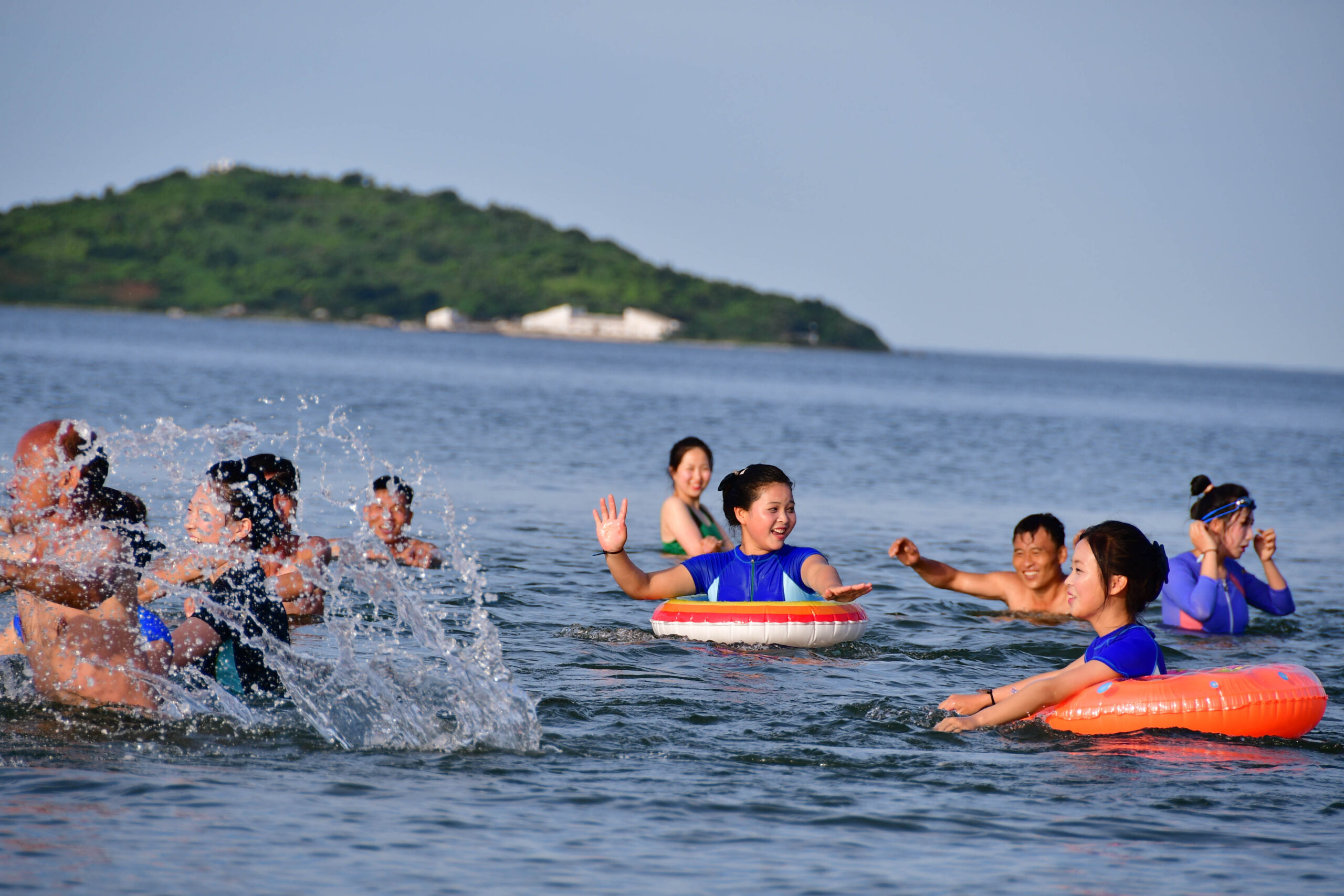
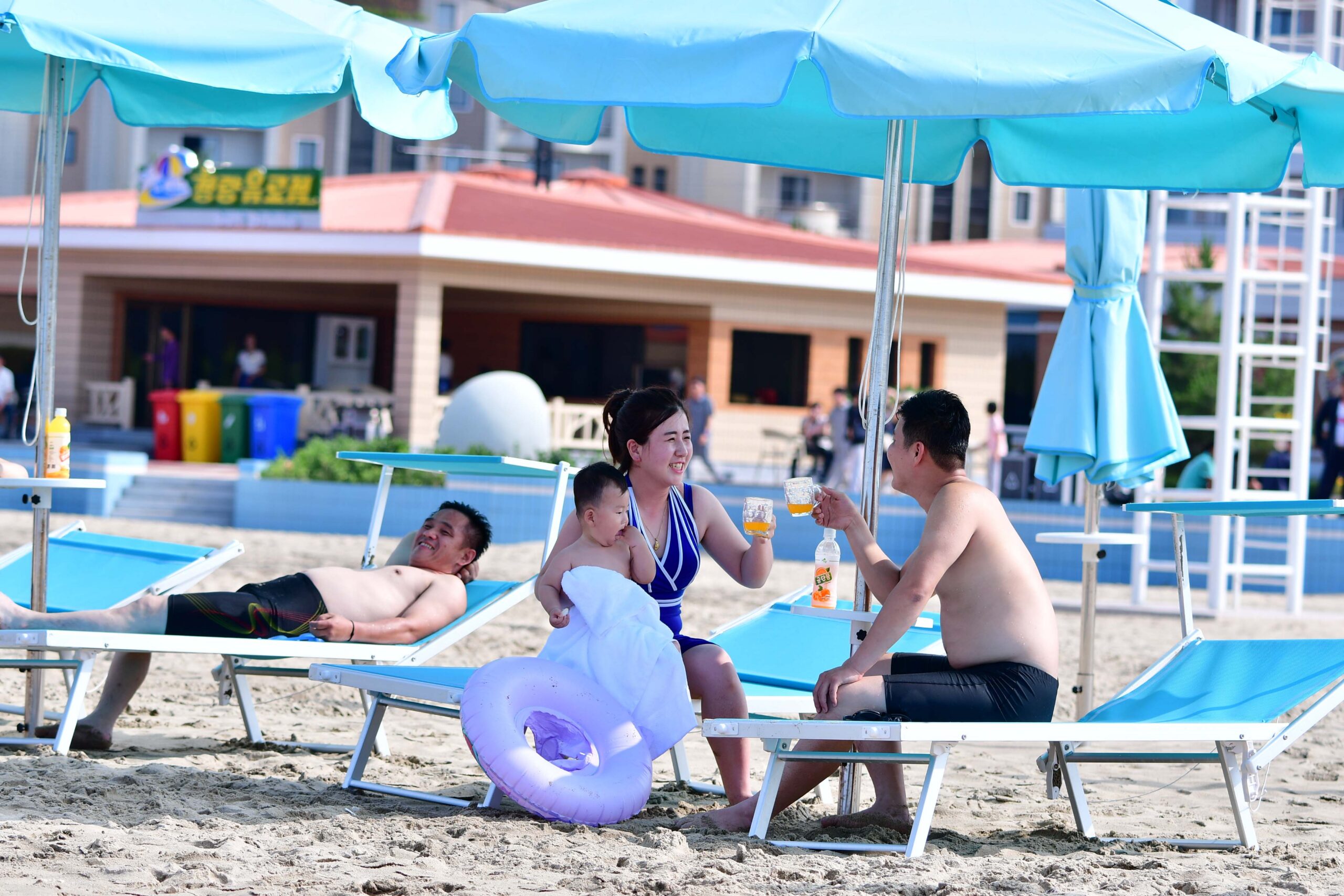
According to local media, tourist destinations across the country are buzzing with activity, with crowds of people thronging the modern Wonsan Kalma Coastal Tourist Area inaugurated in late June.
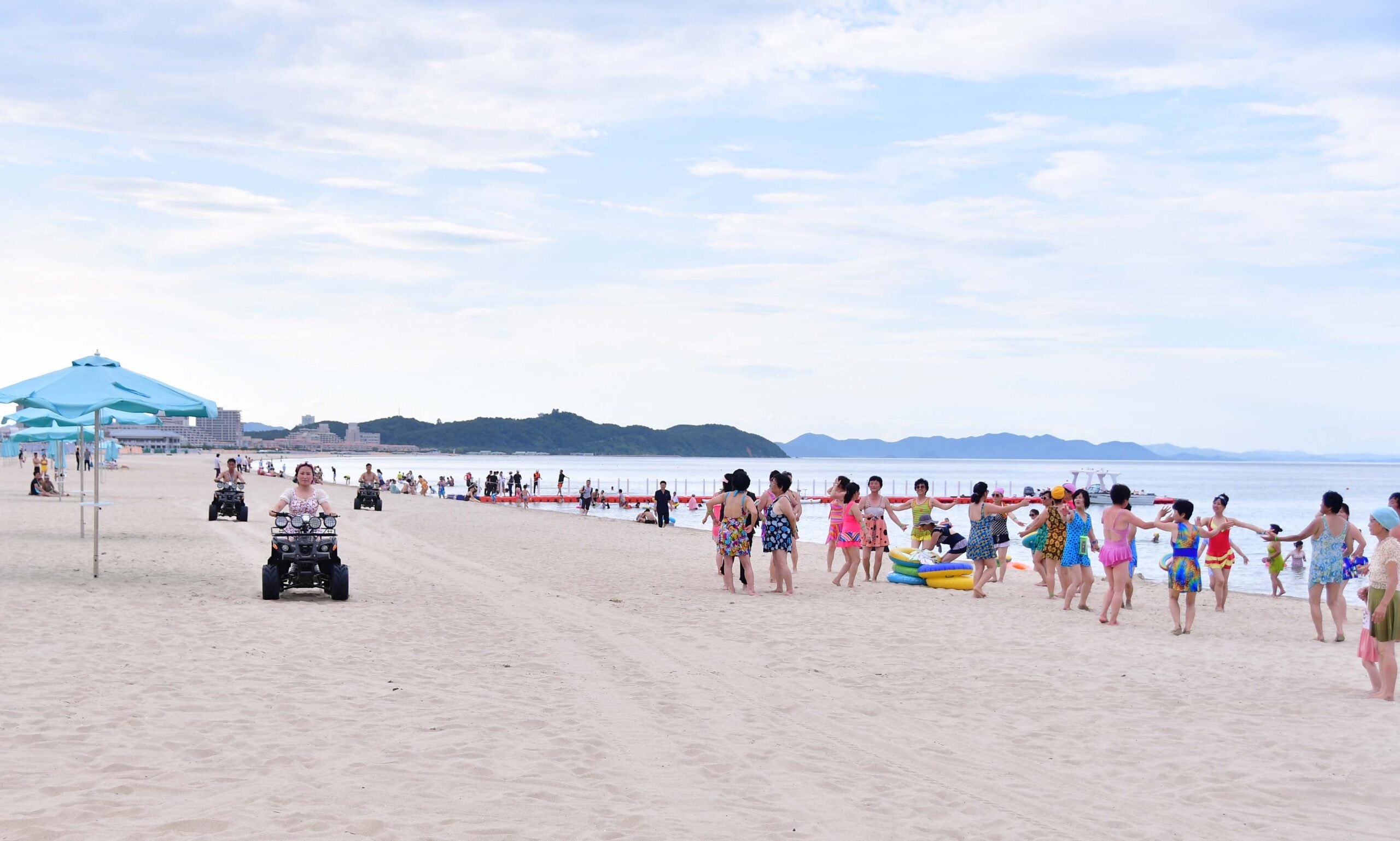
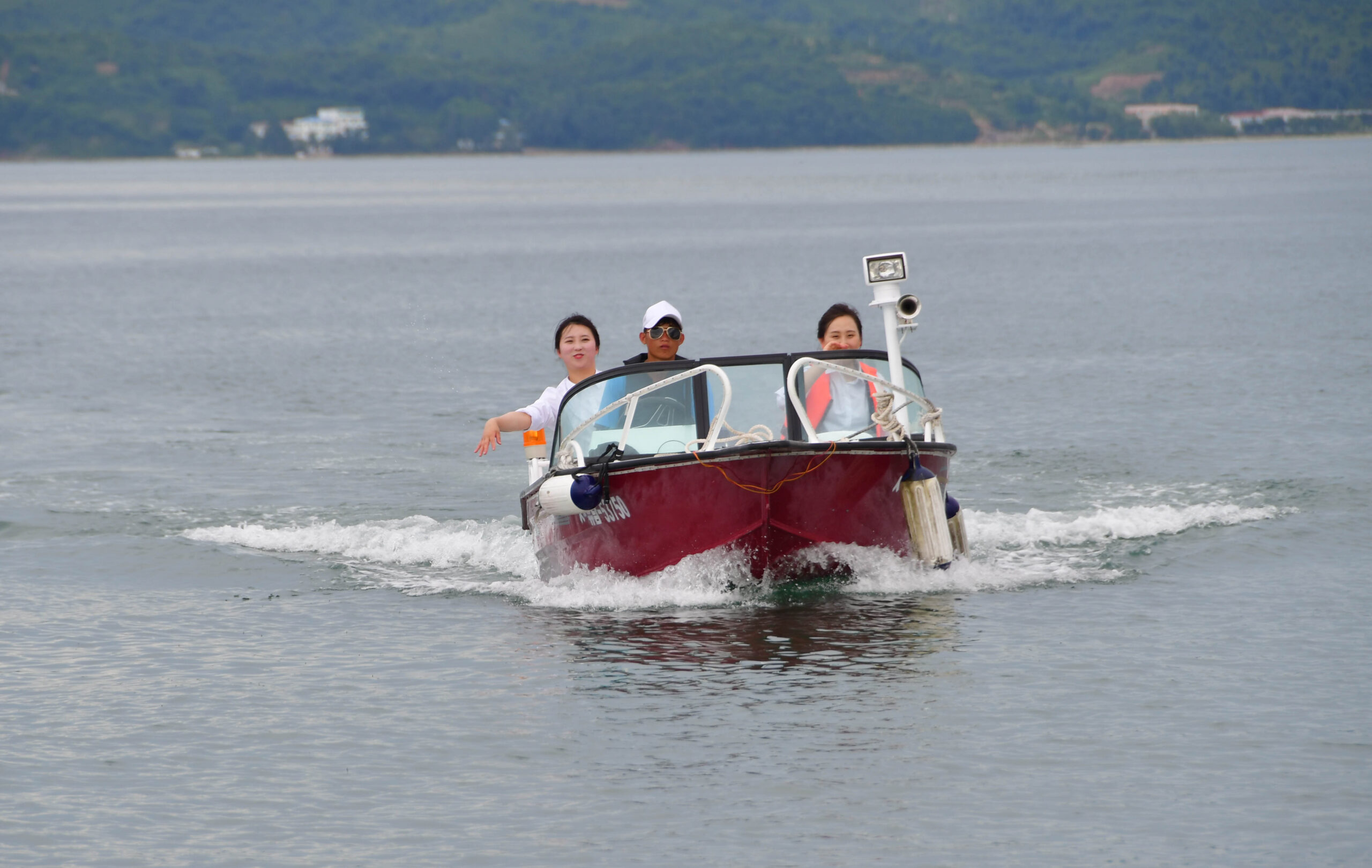
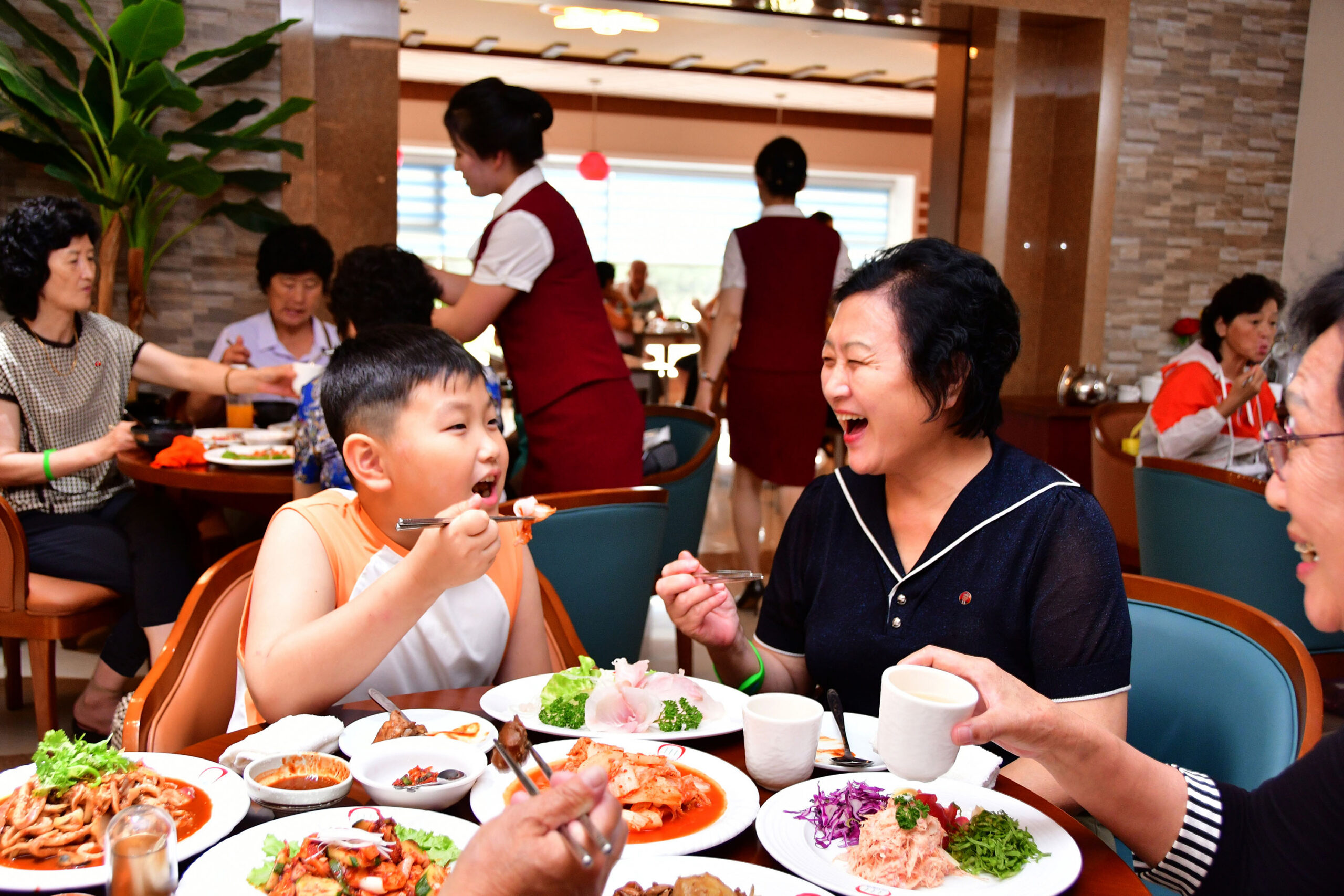
The rapid development of the tourist industry in the country is attributable to the policy of the Workers’ Party of Korea and the government on the promotion of the construction of large tourist areas. The latest hit is the Wonsan Kalma Coastal Tourist Area in which hotels and lodging houses with a total accommodation capacity of nearly 20 000 people, sea bathing facilities, sports and amusement facilities, commercial and catering establishments and leisure centres sprawl along a 4km silvery beach—a real feast to the eye.
The country boasts many tourist attractions, including Mt Myohyang, Mt Kumgang and Majon Bathing Beach, which are all equipped with hotels and service facilities, but this seems to be the first time the state made such a great investment in building a comprehensive tourist resort like the Wonsan Kalma Coastal Tourist Area. With an eye to the overall development of socialism, the DPRK is ushering in an era of prosperity in which the capital city and the provinces are changing and prospering alike. And the people’s cultural and emotional needs are growing in kind.
Kim Jong Un, president of the State Affairs of the DPRK, unfolded a grand plan to turn the Wonsan Kalma area into a world-class coastal resort, a peculiar marine park. He visited the construction site several times to oversee the project so that buildings of different styles achieve a perfect artistic compatibility and connectivity.
As a result, the Kalma peninsula, famous for its ideal ecological environment, has taken on an elegant and modern appearance as a world-class coastal tourist city, a top-class marine park.
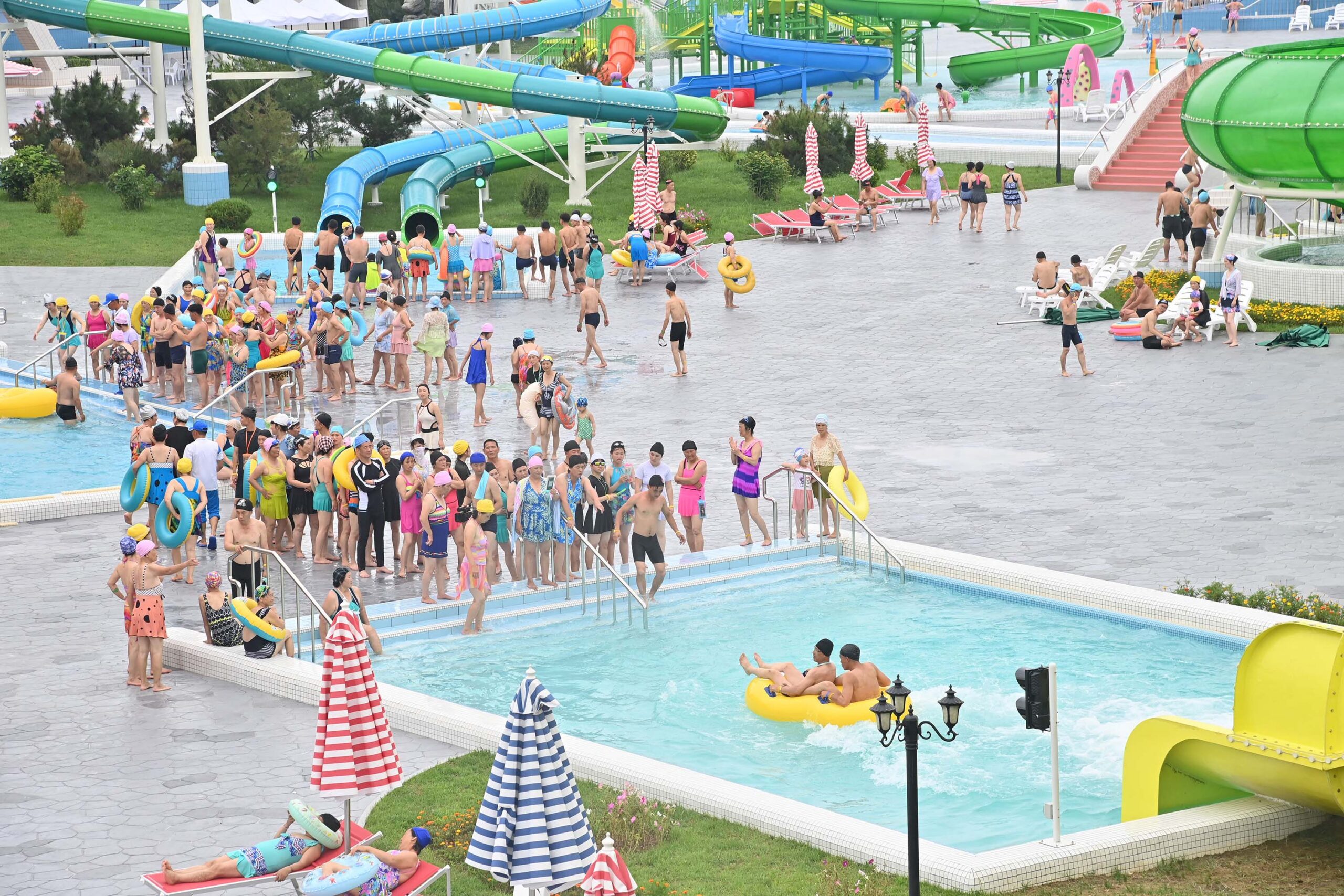
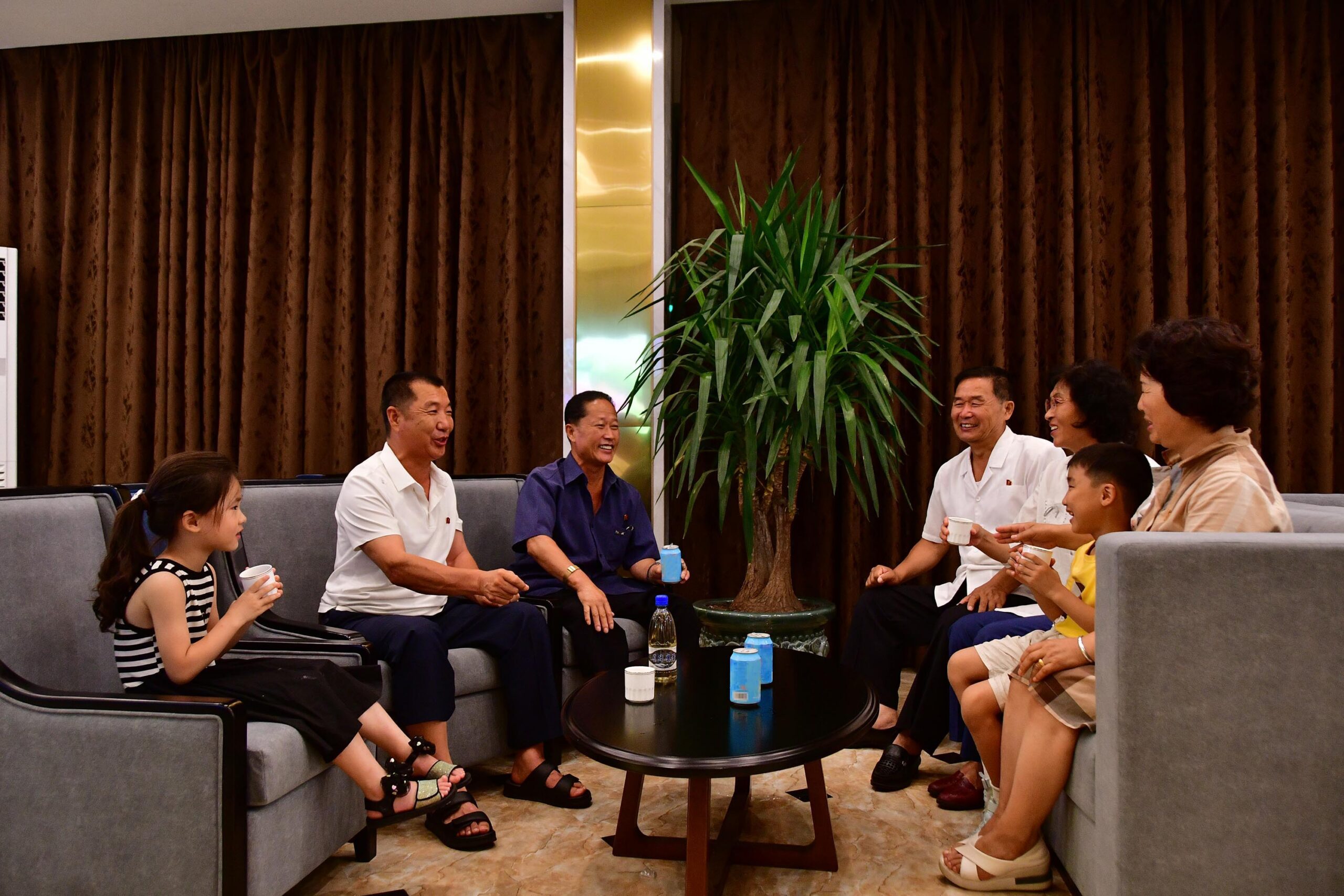
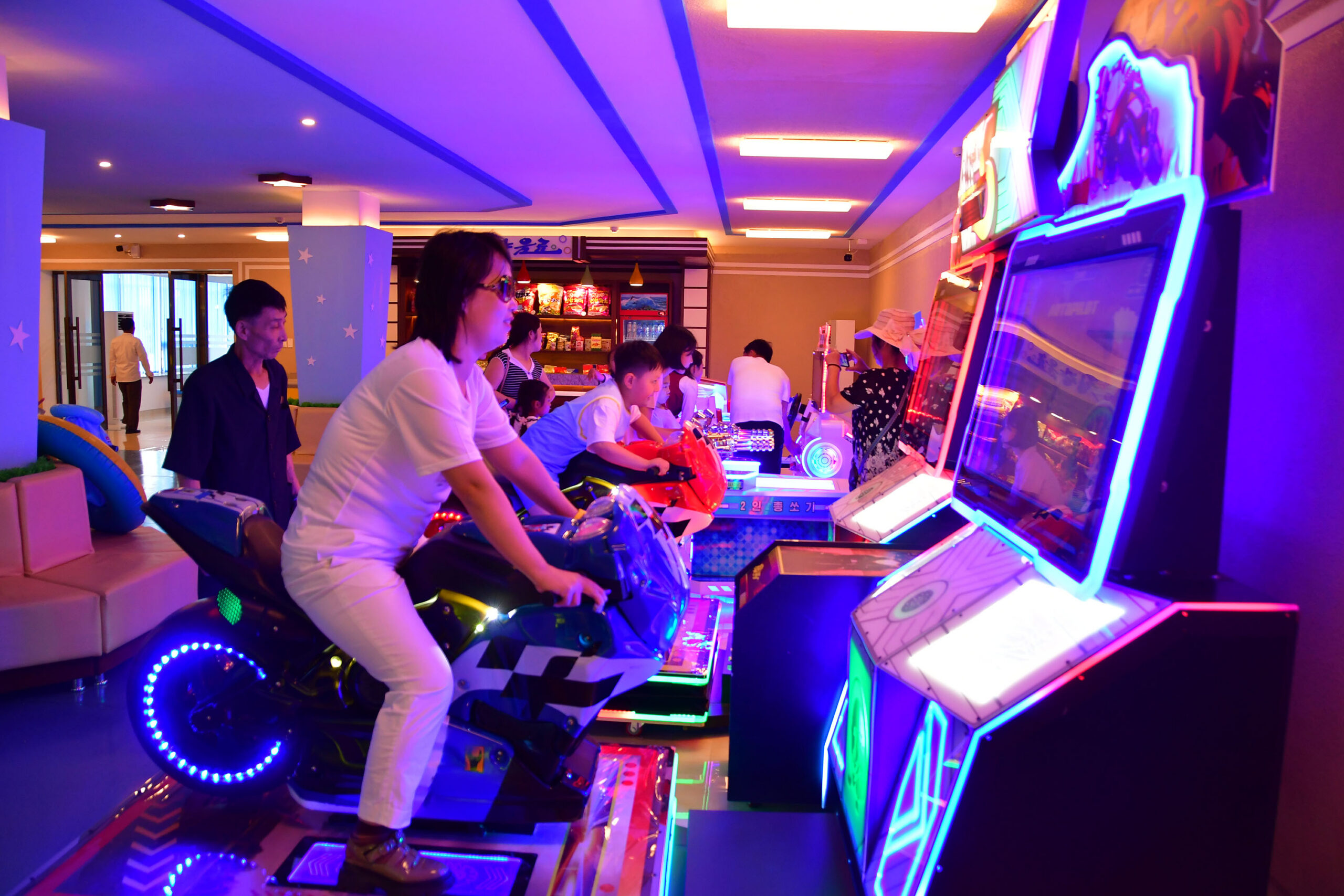
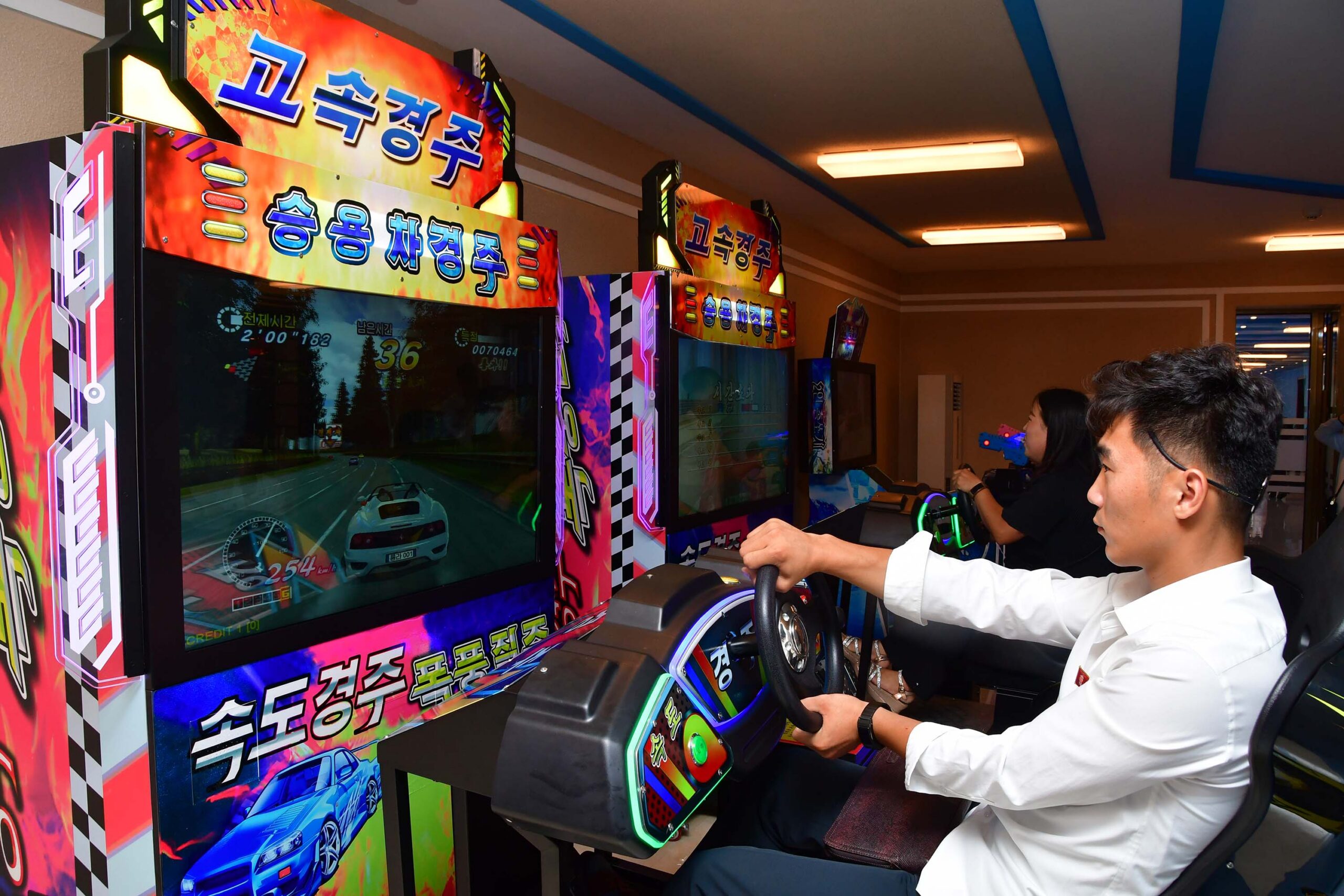

While building the tourist area, the DPRK could accumulate valuable experience for the building of the tourist industry and explore a new domain of tourist culture.
On this basis, the country intends to build an array of promising and large-scale tourist and cultural zones in different regions in the shortest possible time. Such a bid is set to be confirmed at the upcoming Ninth Congress of the WPK, and it will give fresh impetus to the development of its tourism.
Given that the country has diverse and rich tourist resources and boasts unique political and institutional stability, its tourist industry is probably of great long-term significance as a driving force for cultural efflorescence, regional rejuvenation and overall economic growth.