
The Workers’ Party of Korea, the ruling party of the Democratic People’s Republic of Korea, adheres to the principle of self-reliance in dealing with the issues arising in national development and improving people’s living standards. This approach has enabled the country to strengthen the independent foundations of its economy and the people to cultivate the spirit of self-reliance and self-determination, empowering them to overcome all sorts of challenges and difficulties through their own efforts.
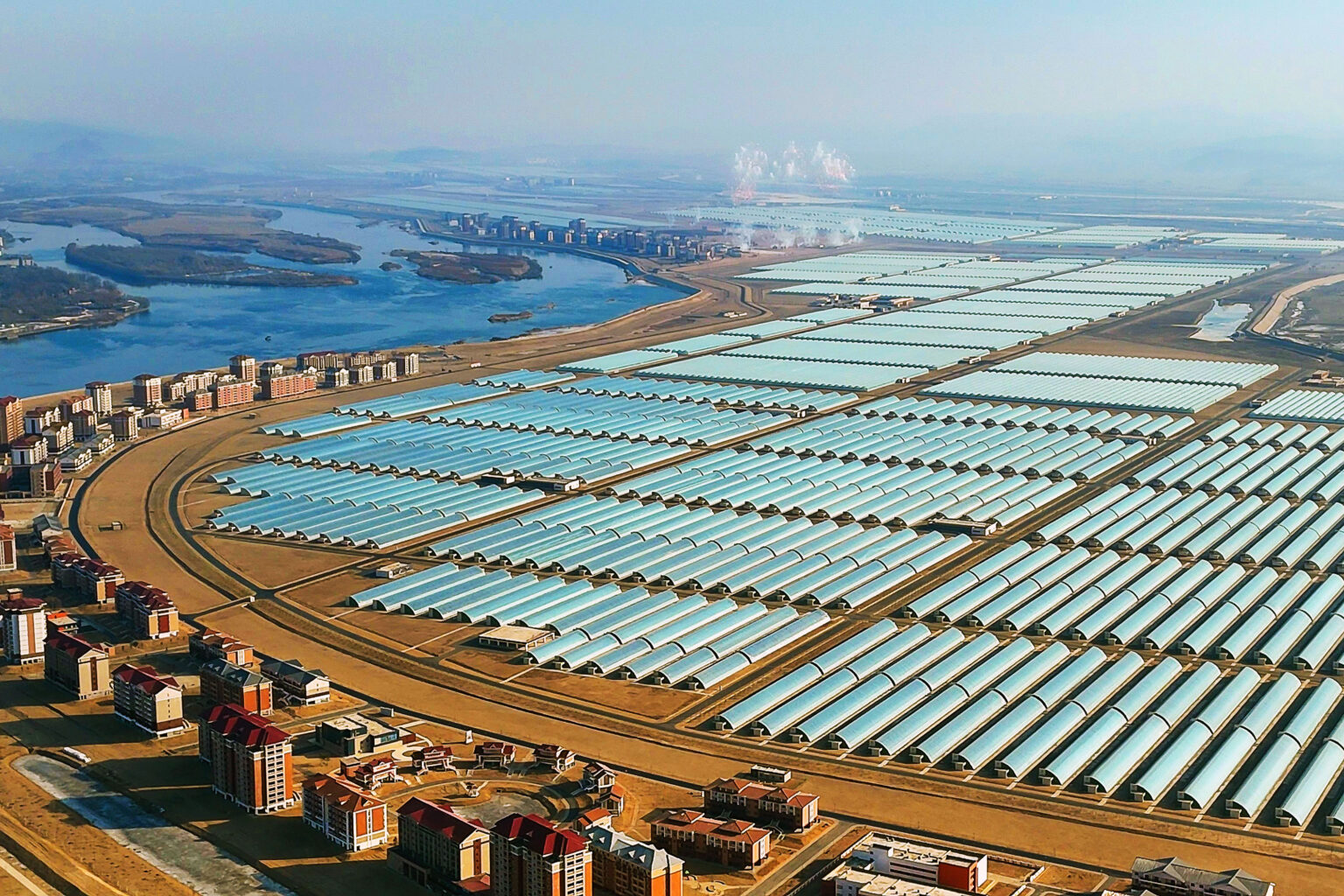
A typical example was the WPK’s response to the severe flooding that affected the country’s northwestern region in 2024. At the time, several countries and international organizations expressed their willingness to provide assistance. The WPK, however, decided to carry out the large-scale reconstruction effort on its own, viewing it not merely as a response to the damage caused by a natural disaster but as an undertaking to bring about a transformative change with a responsible attitude towards the future. Under the Party’s leadership, the Korean people completed thousands of modern flats in less than six months and built a large-scale greenhouse farm in February 2026, pioneering a new phase of regional development.
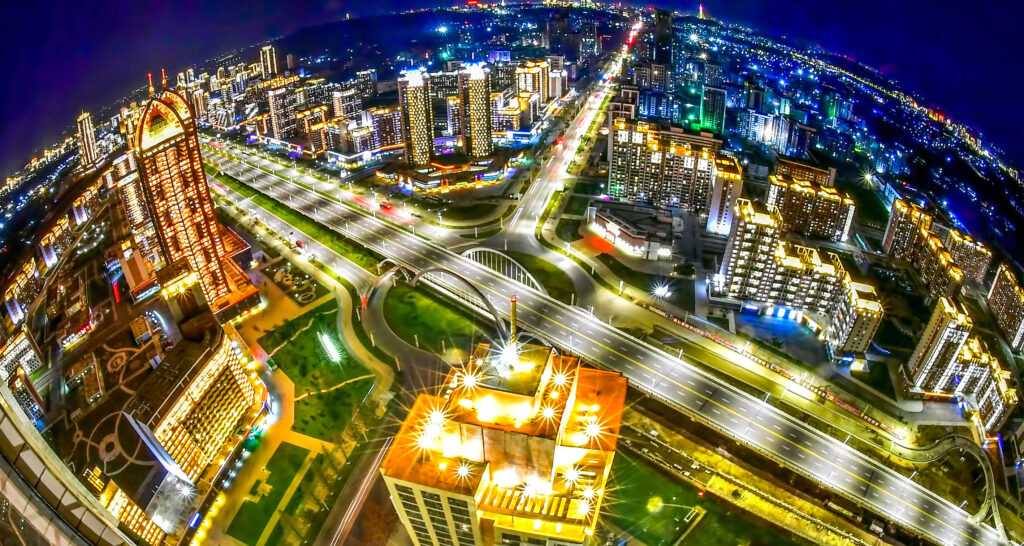
Over the past five years, they built tens of thousands of flats and developed an entirely new modern urban district in their capital city of Pyongyang, along with more than 110 000 new rural houses across the country, relying on their own efforts. Besides, under the WPK’s Regional Development 20×10 Policy, they have been constructing modern regional-industry factories in 20 cities and counties every year since 2024. And these are just some of the striking transformations that have reshaped the country’s landscape in recent years.
Leading steel producers and key industrial enterprises, including the Kumsong Tractor Factory and the Ryongsong Machine Complex, are undergoing renovation and modernization through self-reliance, helping to ensure sustainable and stable economic growth.
Local media say that the foremost result of self-reliance is a growing sense of pride and confidence in the country’s own accomplishments, and patriotism inspired by them.
Kim Jong Un, President of the State Affairs of the DPRK, stated in a policy speech delivered at the First Session of the 15th Supreme People’s Assembly of the DPRK in March this year that the absolutely correct path to prosperity lies in achieving self-reliance and self-sufficiency.